


































Clean, readable code on a developer screen

Clean Code: Practical Habits That Actually Make a Difference

Clean code is about writing software that others can read and change without fear. This tutorial covers high-leverage habits that provide the biggest returns, including descriptive naming, keeping functions focused, and using guard clauses to reduce nesting. Discover how to write clearer comments and maintain consistency to ensure your codebase remains manageable for every developer.
Using async and await in JavaScript code

Understanding async/await in JavaScript (Without the Confusion)

Master JavaScript async/await with this practical guide. Learn how to transition from messy promise chains to clean, readable code using try/catch for robust error handling. This article explores essential best practices and common performance pitfalls, like awaiting inside loops, while showing you how to use Promise.all to write more efficient and natural asynchronous applications.
Git rebase versus merge branch history comparison

Git Rebase vs Merge: When to Use Each

The debate between Git rebase and merge centers on how you manage project history. Merge preserves the true sequence of events with explicit integration commits, while rebase creates a clean, linear timeline by rewriting history. Discover the golden rule of rebasing shared branches and how to effectively combine both methods to maintain a professional, readable codebase.
HTTP status codes used in API responses

HTTP Status Codes Explained: A Practical Guide for API Developers

Effective API development relies on accurate HTTP status codes to communicate clearly with clients. This guide explores the five status code families and the essential codes you actually need, from success responses to error handling. Learn why consistency matters, how to distinguish 401 from 403, and how to avoid burying errors inside successful 200 OK responses.
Designing clean, versioned REST API endpoints

How to Design Clean, Versioned REST API Endpoints

Learn how to design clean, versioned REST API endpoints to avoid breaking client integrations as your service scales. This post covers popular versioning strategies like URL paths and headers, defines breaking changes, and explains the importance of sunset plans. Discover why a consistent, predictable approach to API versioning saves teams significant time and long-term maintenance pain.
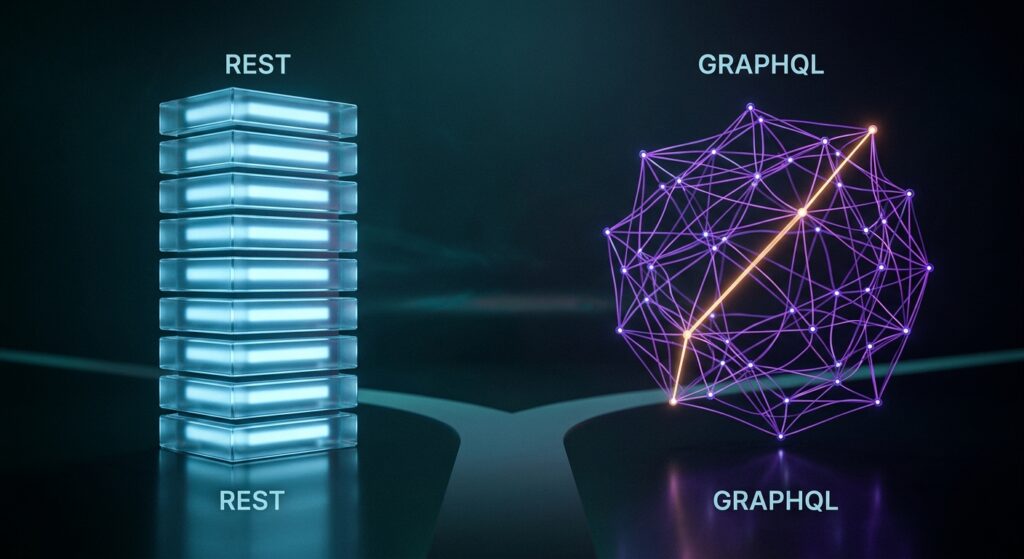
REST versus GraphQL API architecture comparison

REST vs GraphQL: Which API Style Should You Actually Use?

Choosing between REST and GraphQL involves weighing trade-offs in caching, flexibility, and operational complexity. While REST offers simplicity and built-in HTTP caching, GraphQL provides powerful client-driven data fetching that eliminates over-fetching. This guide explores the strengths of each approach and provides a practical framework for deciding which API style best fits your project's specific needs.