HTTP status codes used in API responses

HTTP Status Codes Explained: A Practical Guide for API Developers

Effective API development relies on accurate HTTP status codes to communicate clearly with clients. This guide explores the five status code families and the essential codes you actually need, from success responses to error handling. Learn why consistency matters, how to distinguish 401 from 403, and how to avoid burying errors inside successful 200 OK responses.
Designing clean, versioned REST API endpoints

How to Design Clean, Versioned REST API Endpoints

Learn how to design clean, versioned REST API endpoints to avoid breaking client integrations as your service scales. This post covers popular versioning strategies like URL paths and headers, defines breaking changes, and explains the importance of sunset plans. Discover why a consistent, predictable approach to API versioning saves teams significant time and long-term maintenance pain.
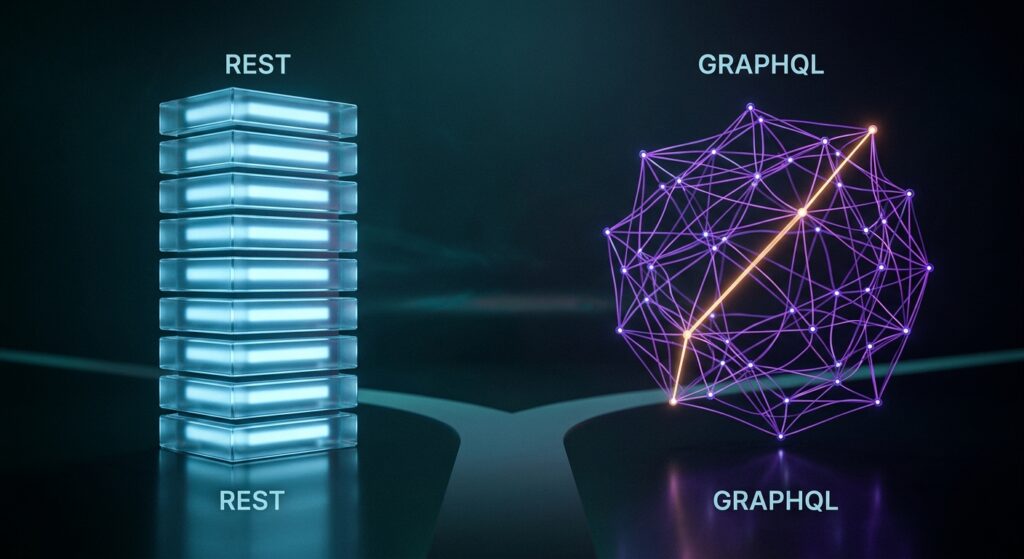
REST versus GraphQL API architecture comparison

REST vs GraphQL: Which API Style Should You Actually Use?

Choosing between REST and GraphQL involves weighing trade-offs in caching, flexibility, and operational complexity. While REST offers simplicity and built-in HTTP caching, GraphQL provides powerful client-driven data fetching that eliminates over-fetching. This guide explores the strengths of each approach and provides a practical framework for deciding which API style best fits your project's specific needs.